Amazon Liquidations: An Insider’s Guide to Sourcing Profitable Pallets
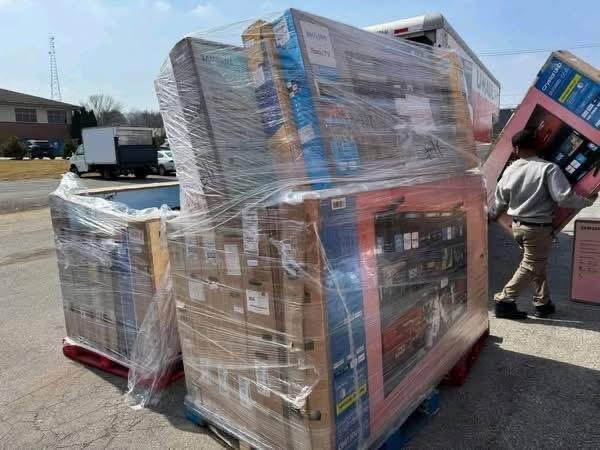
Table of Contents
- Why the Volume of Amazon Liquidations Is Exploding
- What Types of Inventory Can You Source?
- Evaluating the Integrity of an Amazon Liquidation Deal
- Build Your Competitive Advantage Today
- What exactly are Amazon liquidations?
- Is buying Amazon liquidation pallets actually profitable?
- What’s the difference between a manifested and an unmanifested liquidation lot?
In the e-commerce landscape, marketplace dynamics are shifting rapidly. Rising fulfillment costs, tightening warehousing caps, and seasonal demand volatility are forcing millions of units of high-quality merchandise out of retail channels every month. For smart inventory buyers, this shift has created one of the most lucrative sourcing vehicles in wholesale today: Amazon liquidations.
When individual third-party sellers or corporate vendors face overstocked warehouses or unexpected customer returns, they can’t afford to let dead capital sit on shelves. That inventory gets bundled and pushed into wholesale distribution channels which is exactly where resellers like you step in.
If you know how to navigate this pipeline, you can reliably capture brand-name, high-margin inventory for a fraction of its original retail cost. Browse our Amazon Pallet category to see live examples of what’s currently moving through this channel.
Why the Volume of Amazon Liquidations Is Exploding
Sourcing stock from Amazon liquidations isn’t a temporary trend it’s a structural fixture of modern supply chains. Understanding why this inventory exists helps you predict what kind of products will hit the auction block next.
1. Tightening Warehouse Fee Penalties
Amazon’s fulfillment network regularly increases aged-inventory surcharges for products sitting in storage too long. As of 2026, Amazon’s aged inventory surcharge now kicks in at 181 days, with fees increasing again at 12 months and 15+ months and the increases have been getting steeper each year, not gentler. To protect their margins from this fee creep, high-volume sellers liquidate stock immediately rather than letting profits erode in storage.
2. High Return Rates Across Mainstream Niches
Online return rates remain a major driver of liquidation inventory. According to the National Retail Federation’s 2025 Retail Returns Landscape report, the overall e-commerce return rate sits at roughly 19–20%, with categories like apparel and footwear running considerably higher. Because manually inspecting every open-box return is too labor-intensive for mega-warehouses, millions of pristine or barely-used goods get channeled straight into bulk liquidation lots instead.
What Types of Inventory Can You Source?
When you scan live inventory manifests, you’ll find the secondary market isn’t random surplus the vast majority of lots fit predictable product ecosystems:
- Tech Accessories & Consumer Electronics: A consistently top-performing category, featuring repeat-purchase staples like phone cases, charging bricks, USB-C cables, and wireless audio gear. See current stock in our Electronic Pallets category.
- Kitchen & Home Essentials: Driven by home-trend cycles: kitchen scales, insulated tumblers, air fryers, and personal blenders.
- Apparel & Footwear: Seasonal changeovers mean apparel is regularly pulled from shelves to make room for new lines, offering resellers untouched shelf-pull garments. Explore our Fashion Pallet Liquidation category for current options like our authentic Nike sneaker pallets.
Evaluating the Integrity of an Amazon Liquidation Deal
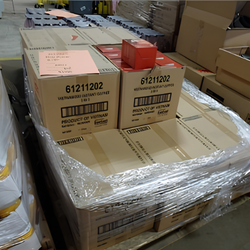
Successfully flipping liquidation stock requires cold, data-backed math rather than gut instinct. Before placing a bid or finalizing a wholesale buy, run the deal through a strict evaluation checklist.
| Evaluation Metric | High-Margin Signal | Low-Margin Risk Factor |
|---|---|---|
| Manifest Data | Fully itemized spreadsheet with verified UPCs and descriptions | Unmanifested or “blind” lot with zero documentation |
| Inventory Source | Direct-from-source wholesale contracts or vetted platform lots | Multi-tier brokered deals where top items are already picked through |
| Logistics Proximity | Shipped from a regional freight hub or available for local pickup | Cross-country transit routes where freight costs rival the inventory value |
Pro tip on hidden surcharges: When calculating your maximum acquisition budget, factor in your buyer’s premium, accessorial carrier fees (like residential liftgate service), and any localized pallet-handling charges. These line items are easy to overlook and can quietly erase your margin.
Build Your Competitive Advantage Today
Capitalizing on Amazon liquidations gives you an unrivaled way to scale your product catalog, lower your average sourcing costs, and insulate your business from retail margin pressure. Treat the buying process as a rigorous numbers game, and your operations can thrive on the retail overflow that powers the modern e-commerce economy.
Ready to uncover premium inventory lots and expand your retail storefront? Browse our latest wholesale arrivals and start bidding today, or check out our Truckloads category for full-load deals.
What exactly are Amazon liquidations?
Amazon liquidations are bulk lots of merchandise that Amazon and its third-party sellers offload through wholesale channels typically customer returns, shelf pulls, overstock, and inventory facing aged-storage fees. Instead of paying to keep slow-moving stock in fulfillment centers, sellers liquidate it in pallet- or truckload-sized lots at steep discounts.
Is buying Amazon liquidation pallets actually profitable?
It can be, but only if you treat sourcing as a numbers game rather than a gamble. Profitability depends on getting a fully itemized manifest, verifying the inventory source isn’t already picked-through, and accounting for hidden costs like freight, buyer’s premiums, and pallet-handling fees before you bid. Lots with verified UPCs and clear documentation carry far less risk than unmanifested “blind” lots.
What’s the difference between a manifested and an unmanifested liquidation lot?
A manifested lot comes with a detailed spreadsheet listing item descriptions, UPCs, and often estimated retail value, so you know exactly what you’re buying before you commit. An unmanifested (or “blind”) lot gives you no itemized breakdown you’re bidding on a mystery pallet, which carries much higher risk of low-value or unsellable inventory.
Posts Widget
-
1

-
2

-
3

-
4

Copyright 2026 ©Liquidation Pallets Auctions. All right reserved.
