How to Buy Amazon Liquidation Pallets in 2026: The Complete Beginner’s Guide
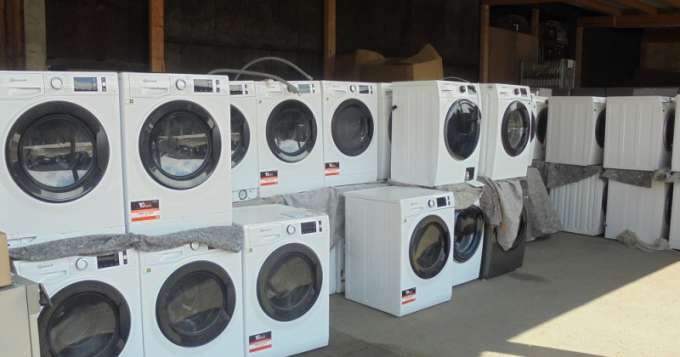
If you want to start a reselling business without spending a fortune on inventory, Amazon liquidation pallets are one of the smartest ways to get started. These pallets bundle customer returns, overstock, and shelf-pulled merchandise at a fraction of retail value, giving beginners an affordable path into ecommerce, flea markets, and local retail. Buying Amazon liquidation pallets can be genuinely profitable but only if you understand how the process works, what to check before you buy, and how to calculate your true costs.
This complete beginner’s guide walks you through everything you need to know in 2026: how liquidation pallets work, where to find them, what to inspect, and the mistakes that sink most first-time buyers. Let’s break it down.
What Are Amazon Liquidation Pallets?
Amazon liquidation pallets are bulk lots of merchandise that retailers no longer want on their shelves. When customers return items, or when warehouses end up with too much stock, those products get sorted, grouped onto pallets, and sold to resellers at steep discounts.
The inventory inside a pallet usually falls into a few categories:
- Customer returns – items sent back by buyers, ranging from unopened to lightly used.
- Overstock – brand-new, unsold surplus inventory.
- Shelf pulls – products removed from store shelves to make room for newer stock, often in original packaging.
- Open-box and damaged-packaging items – products where the box is torn but the item inside may be perfectly fine.
Pallets are typically mixed, meaning you might find electronics, home goods, toys, tools, beauty products, and apparel all in the same lot. That variety is part of what makes Amazon liquidation pallets so appealing to new resellers you get a broad inventory spread for a single upfront cost.
Why Buy Amazon Liquidation Pallets in 2026?
There’s a reason demand for Amazon liquidation pallets keeps growing. Here’s why so many beginners are choosing this route in 2026:
- Low upfront cost. Compared to buying wholesale or manufacturing your own products, pallets let you stock a full inventory for a fraction of retail value.
- Fast inventory. Instead of sourcing items one by one, a single pallet can give you dozens or hundreds of sellable products at once.
- Flexibility. You can resell on eBay, Facebook Marketplace, local flea markets, discount stores, or your own website.
- Room to test niches. Because the cost per item is low, you can experiment with categories and find what sells best for you before scaling up.
That said, profit is never guaranteed. Your margins depend on product condition, shipping costs, platform fees, and how quickly you can move inventory. The buyers who win treat it like a business not a lottery ticket.
How to Buy Amazon Liquidation Pallets Step by Step
Buying Amazon liquidation pallets doesn’t have to be complicated, but it does require a system. Follow these steps to avoid costly beginner errors.
Step 1: Set a Realistic Budget
Decide upfront how much you can afford to spend and don’t forget to include shipping, which is often the biggest hidden cost. A $400 pallet can easily cost $600+ once freight is added. Set a budget you’re comfortable losing while you learn the ropes.
Step 2: Choose a Category or Niche
Start with categories you understand. If you know electronics, tools, or home goods, you’ll price and resell them faster. Beginners often do well with general merchandise, home and kitchen, toys, and small appliances.
Step 3: Review the Manifest (If Available)
A manifest is a list of what’s inside the pallet product names, quantities, and sometimes retail values. Not every pallet includes one, but when it does, it helps you estimate potential resale value. No manifest means more risk, so factor that into your bid or purchase price.
Step 4: Check the Condition Grade
Liquidation inventory is usually graded for example, new, like-new, or mixed condition. Lower grades cost less but require more testing, cleaning, and repairs. As a beginner, lean toward higher-condition lots until you build confidence.
Step 5: Calculate Your Total Landed Cost
Before buying, add up every cost:
- Pallet price
- Shipping or freight
- Handling or platform fees
- Estimated platform selling fees
- A buffer for unsellable items (expect some in every pallet)
Your real profit starts only after all of these are covered.
Step 6: Buy From a Trusted Marketplace
This is the most important step. Work with reputable suppliers who provide clear photos, honest condition descriptions, and real manifests. You can browse Amazon pallets from vetted inventory sources, or explore the full wholesale inventory marketplace to compare lots.
Step 7: Process and Resell
Once your pallet arrives, sort everything, test what needs testing, clean the items, photograph them well, and list them across your sales channels. Fast processing and good photos are what separate profitable resellers from hobbyists.
Where to Find Amazon Liquidation Pallets
You can source Amazon liquidation pallets through a few main channels:
- Online liquidation marketplaces – the most popular option, offering auctions and fixed-price lots with manifests and condition grades.
- Wholesale inventory sellers – companies that buy in bulk and resell pallets to small businesses, often with more consistent grading.
- Local liquidation warehouses – useful if you want to inspect pallets in person and avoid freight costs.
- Truckload suppliers – for resellers ready to scale beyond single pallets.
For beginners, the easiest starting point is a reliable online marketplace where you can review manifests, compare prices, and buy with clear terms. Take your time comparing lots before you commit.
What to Check Before You Buy
Before you pay for any pallet, run through this checklist:
- Manifest availability – Is there a product list, and does it include quantities and retail values?
- Product category – Does it match your niche and resale channels?
- Condition grade – Are the items new, returned, open-box, or mixed?
- Return policy – Many liquidation sales are final, so understand the terms before buying.
- Shipping cost – Freight can make or break a deal. Always confirm it first.
- Seller reputation – Look for reviews, clear communication, and transparent photos.
- Estimated resale value – Compare the manifest’s retail value against realistic selling prices, not the sticker price.
- Pallet photos – Real photos of the actual lot beat stock images every time.
If a deal looks too good to be true, it usually is. Contact our team if you’re unsure about a lot a quick question can save you hundreds.
Common Beginner Mistakes
Most new resellers lose money on their first pallet because of the same avoidable errors:
- Buying only because it looks cheap. A low price means nothing if the items don’t sell.
- Ignoring freight costs. Shipping can turn a “deal” into a loss.
- Starting with complex electronics. Tech items often need testing or repairs, which requires experience.
- Overestimating resale prices. Don’t assume you’ll get full Amazon or eBay sold prices for every item.
- No processing space. You need room to sort, test, and store inventory.
- Skipping the manifest. Blind buys are the fastest way to get stuck with unsellable stock.
Avoid these, and you’ll already be ahead of most first-time buyers.
How Much Can You Make With Amazon Liquidation Pallets?
There’s no fixed answer profit varies widely based on category, condition, price paid, and how efficiently you resell. A realistic way to think about it:
- Buy a pallet for $400
- Add $150 in shipping and fees
- Your total cost is $550
- If 75% of the items sell for a combined $900, your gross profit is $350 minus platform fees and your time.
Some resellers aim for 2x to 3x their cost on healthy pallets, while others settle for smaller margins on faster-moving inventory. The key is tracking every dollar in and out so you know what actually works. Treat it like a business, and your results will improve with every pallet.
Ready to Buy Amazon Liquidation Pallets?
Amazon liquidation pallets offer beginners an affordable, scalable way to build a reselling business in 2026 as long as you buy smart. Set a budget, review manifests, calculate your true landed cost, and always work with a trusted supplier.
Your next steps:
- Browse Amazon Pallets to see current inventory and compare lots.
- Get a Free Quote Today for pallets and truckloads matched to your budget and niche.
- Contact us with any questions before you buy.
Start with one pallet, learn the process, and scale as your confidence grows.
Frequently Asked Questions
Are Amazon liquidation pallets worth it?
Yes, Amazon liquidation pallets can be worth it for beginners willing to do the math. If you review manifests, calculate total landed cost (including shipping), and buy from a reputable source, the profit potential is real but it requires effort in sorting, pricing, and reselling.
How much do Amazon return pallets cost?
Prices vary widely based on category, condition, pallet size, and shipping. Small general-merchandise pallets can start around a few hundred dollars, while larger electronics or mixed truckloads cost significantly more. Always factor freight into your total cost before buying.
Do liquidation pallets come with a manifest?
Many do, but not all. A manifest lists the items inside the pallet and often includes quantities and retail values. Buying with a manifest reduces risk, especially for beginners.
What is the best category for beginners?
Home goods, kitchen items, toys, and general merchandise are popular starter categories because they’re easy to inspect, price, and resell. Electronics can be profitable but usually require testing and repair experience.
Can I resell items from Amazon liquidation pallets?
Yes. Reselling liquidation merchandise is a common and legal business model. Most resellers sell on eBay, Facebook Marketplace, flea markets, discount stores, or their own websites. Just check for any brand-restricted or resale-gated items before listing.
How do I avoid scams when buying Amazon liquidation pallets?
Buy from established suppliers with clear photos, real manifests, transparent condition grades, and verifiable reviews. Avoid sellers with no contact information, stock-only images, or prices far below market value. When in doubt, ask questions first.
Can beginners buy Amazon liquidation pallets?
Absolutely. Many suppliers cater specifically to beginners with smaller lot sizes, clear manifests, and support. Start with a single pallet, learn the process, and scale up as you gain confidence.
Posts Widget
-
1
-
2

-
3

-
4

Copyright 2026 ©Liquidation Pallets Auctions. All right reserved.
